
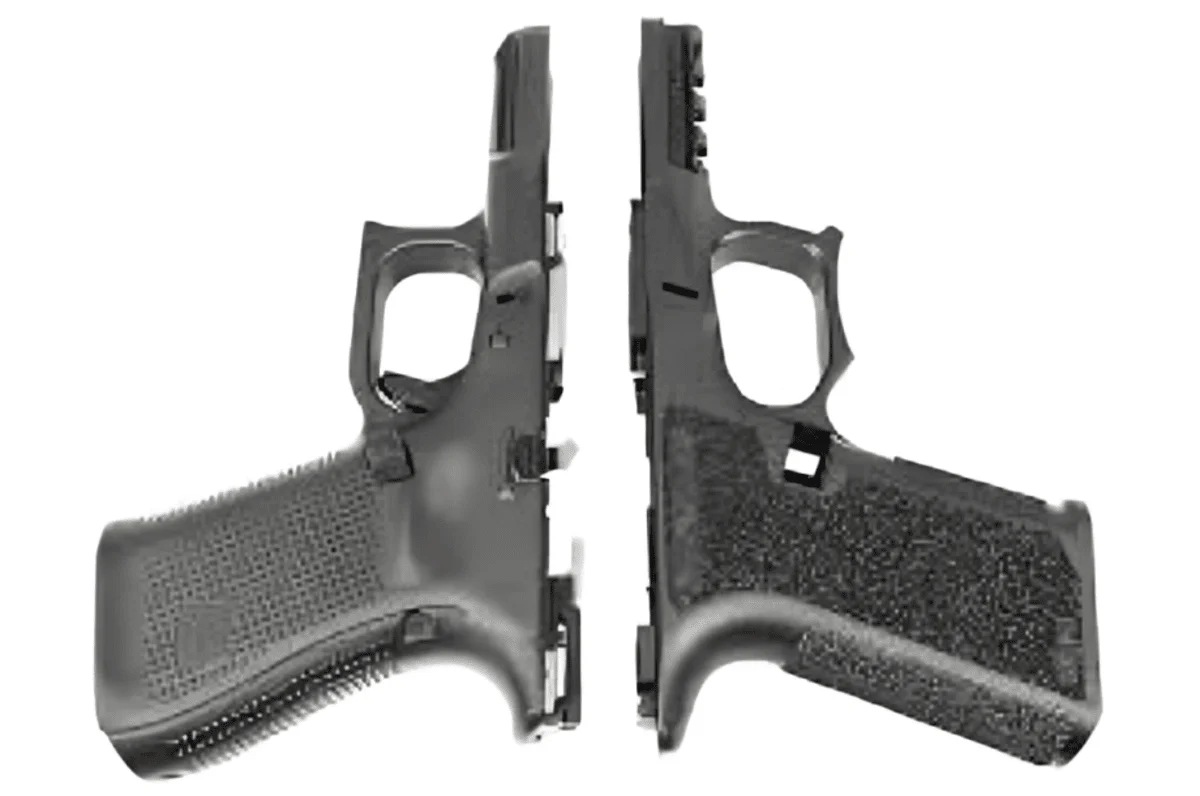
Polymer Frame vs Glock Frame: What Buyers Should Know
Buyers often compare polymer frames and Glock frames before making a purchase decision.
Understanding the differences helps set clear expectations for fit, function, and compatibility.
Both frame types serve distinct purposes in the firearm components market.
Customization potential and slide compatibility are two of the most common comparison points.
Knowing how each frame is designed helps buyers make more informed choices.
What Is a Polymer Frame?
A polymer frame is a modular pistol frame typically sold as a component or kit.
These frames are designed to accept standard internal parts and compatible slides.
They appeal to buyers who prioritize flexibility in their builds.
Polymer frames are often associated with a high degree of adaptability.
Buyers can explore a range of polymer frame options that vary in size, geometry, and compatibility.
This modularity is a defining characteristic of the polymer frame category.
What Is a Glock Frame?
A Glock frame is an OEM (original equipment manufacturer) component produced by Glock, Inc.
These frames are manufactured to precise factory tolerances.
They are designed to work seamlessly with other Glock-spec components.
Glock frames are widely recognized for their consistency and reliability.
They follow a standardized design approach that has remained largely unchanged across generations.
This predictability makes them a common reference point in the handgun components market.
Polymer Frame vs Glock Frame
The table below outlines key differences between polymer frames and Glock frames.
This comparison is meant to inform, not to recommend one option over the other.
| Feature | Polymer Frame | Glock Frame |
| Customization | High — designed for modular builds | Limited — follows OEM specifications |
| Compatibility | Varies by manufacturer and model | Standardized across Glock generations |
| Use Case | Component builds and custom configurations | Factory-spec builds and replacements |
| Design Approach | Modular and adaptable | Fixed OEM design with consistent geometry |
How Slides and Frames Work Together
Compatibility between a slide and a frame is a critical consideration for any build.
The frame must match the slide's rail system, geometry, and overall dimensions.
Mismatched components can affect function and safety.
Glock-pattern slides are generally designed around specific frame generations and sizes.
Buyers pairing a Glock slide with an aftermarket frame should verify dimensional compatibility.
A frame like the PF940C frame kit is one example of a polymer option built to Glock-pattern specifications.
Understanding which slides are compatible with which frames helps avoid fitment issues.
Researching available Polymer80 frame kits can provide useful context on how these pairings are typically structured.
Where to Learn More About Polymer Frames
Buyers researching polymer frame options benefit from understanding the full range of available products.
Compatibility charts, size comparisons, and model-specific information are useful starting points.
Reputable product pages often include specifications that clarify slide and parts compatibility.
Those interested in exploring polymer frame options in greater depth can learn more about polymer frames and the variety of configurations currently available.
Reviewing product details helps buyers understand what to expect before committing to a build direction.
Final Thoughts
Polymer frames and Glock frames each represent a distinct design philosophy.
Neither is universally superior — the right choice depends on the buyer's specific needs.
Compatibility, intended use, and build goals should all factor into the decision.
Understanding how slides and frames interact is essential before selecting components.
Buyers who take time to research specifications tend to have better outcomes.
Informed decision-making starts with understanding the differences between available options.